October 26, 2026
Emergency Dentist Plano, TX: Fast Relief When You Need It Most
By @rafaelqehq878
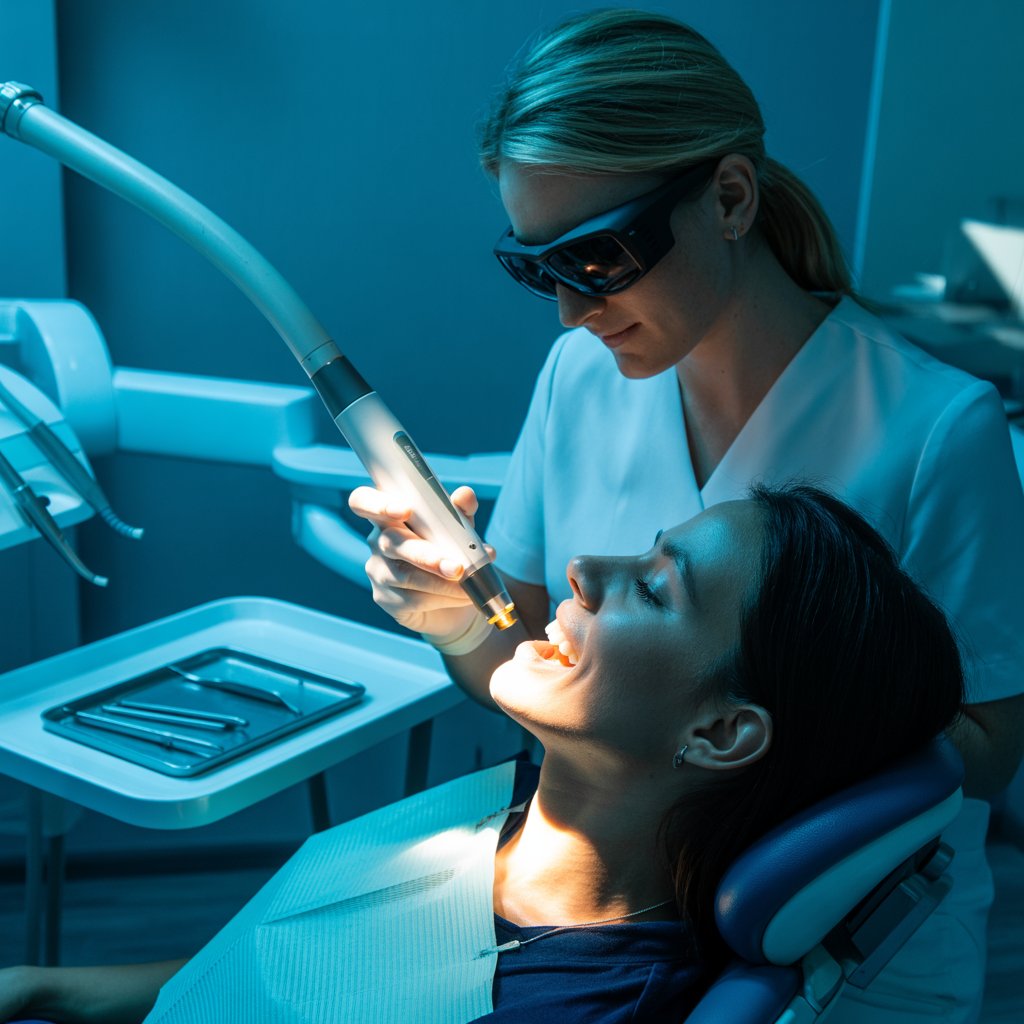
Dental emergencies have a way of disrupting everything at once. Pain spikes, plans stop, sleep becomes impossible, and a problem that seemed manageable in the morning can feel overwhelming by dinner. When you need an emergency dentist in Plano, TX, speed matters, but so does judgment. Not every urgent dental problem needs the same response, and not every toothache can wait for a routine appointment next week.
People often assume a dental emergency means obvious trauma, such as a knocked-out tooth after a fall or a broken front tooth from a sports injury. Those cases are urgent, but they are not the only ones. Some of the most serious situations begin quietly. A dull ache that worsens over two days, swelling near the gumline, pressure when biting, or sensitivity that turns into throbbing pain can point to infection or structural damage inside a tooth. These problems may not look dramatic from the outside, yet they can escalate quickly.
What usually matters most in the first few hours is getting clear on two things: whether the issue threatens the tooth, the surrounding tissues, or your general health, and what you can do right now to reduce pain and prevent the situation from getting worse before you are seen.
What counts as a dental emergency
A true dental emergency is any oral health problem that needs prompt treatment to stop severe pain, control bleeding, treat infection, or save a tooth. That sounds straightforward, but real life is rarely neat. A chipped molar might be annoying for one person and an emergency for another, depending on how deep the crack runs, whether the nerve is exposed, and whether the person can close their bite without sharp pain.
The most common urgent situations in a dental office tend to fall into a handful of categories:
- Severe tooth pain that does not ease with basic home care
- Swelling in the gums, jaw, or face
- A cracked, broken, or knocked-out tooth
- Bleeding that does not stop after dental trauma
- A lost crown or filling when the tooth underneath is painful or exposed
Pain alone does not always indicate the seriousness of the issue, but it should never be brushed off. A small cavity can hurt intensely if the nerve is inflamed. On the other hand, a deep infection can sometimes cause surprisingly little discomfort until swelling appears. That mismatch is one reason people delay treatment longer than they should.
If there is facial swelling, fever, trouble swallowing, or difficulty breathing, the concern is no longer limited to a tooth. That may require immediate medical attention because dental infections can spread into spaces that affect the airway and Emergency dentist Plano, TX deeper tissues. A dentist can handle many urgent infections, but certain red-flag symptoms call for an emergency room right away.
Why timing changes the outcome
In emergency dentistry, hours can matter. A knocked-out permanent tooth has the best chance of being saved if it is replanted quickly, often within 30 minutes to an hour. A cracked tooth that is stabilized early may be restorable with a crown, while the same tooth can split further if a person keeps chewing on it for two or three days. An abscess caught before swelling spreads is usually simpler to manage than one that has progressed into a more serious infection.
That does not mean every urgent visit ends with a big procedure. Quite often, the first goal is control. The dentist identifies the source of the problem, relieves pressure or pain, protects the tooth, and sets up definitive treatment once the area has calmed down. In practical terms, that might mean draining an abscess, smoothing a sharp broken edge, placing a temporary restoration, adjusting the bite, prescribing medication when appropriate, or beginning root canal therapy if the pulp is irreversibly inflamed.
The reason people in pain often feel disappointed after an emergency visit is that they expect the final fix that same day. Sometimes that is possible. Sometimes it is not, especially if swelling limits local anesthesia, if the tooth needs specialist care, or if more imaging is needed to see the full extent of the damage. Relief, stabilization, and a realistic treatment plan are still a successful emergency appointment.
The problems Plano patients call about most often
In a busy suburban area like Plano, urgent dental issues usually reflect everyday life. Hard foods crack old fillings. Weekend sports lead to mouth injuries. Grinding and clenching, which many people do without realizing it, can leave teeth vulnerable to fractures that seem to happen “out of nowhere.” Children chip incisors on pools, driveways, and trampolines. Adults ignore sensitivity until it becomes a sleepless night.
One of the most common calls involves a tooth that hurts more when lying down. That detail matters. When the pulp inside a tooth is inflamed or infected, blood flow and pressure changes can intensify the pain at night. People often describe it as throbbing, hot, or impossible to pinpoint. Another frequent complaint is pain when biting down, which may suggest a cracked tooth, a high filling, or inflammation around the root tip.
Lost crowns are another classic emergency, especially in teeth that already had large restorations. Sometimes the crown falls off cleanly and the tooth underneath is intact enough to recement. Other times decay has weakened the remaining tooth structure, or the tooth is so sensitive that it needs more than a simple fix. The same is true for lost fillings. A small filling can become a much bigger problem if dentin is exposed and chewing forces start breaking down the unsupported walls of the tooth.
Then there are gum-related emergencies. Food can become trapped deep under the gumline, causing sudden tenderness and swelling around one tooth. A periodontal abscess can develop in a pocket that was not causing much trouble before. Patients are often surprised that the pain feels like a toothache when the main problem is actually in the surrounding tissues.
What to do before you get to the office
The time between the incident and the appointment matters more than most people realize. A few simple steps can limit damage and make treatment easier once you arrive.
- Rinse gently with warm salt water if the area is dirty or inflamed
- Use a cold compress on the outside of the face for swelling or trauma
- If a tooth is knocked out, hold it by the crown, not the root, and keep it moist in milk or saliva
- Take over-the-counter pain relief as directed, if medically safe for you
- Avoid chewing on the affected side, especially if the tooth is cracked or loose
A couple of details are worth stressing. Aspirin should not be placed directly on the gum or tooth, even though people still try this old home remedy. It can burn soft tissue and does nothing to solve the underlying problem. If you have a broken restoration with a sharp edge, dental wax from a pharmacy can help protect your cheek or tongue temporarily. If bleeding follows trauma, gentle but firm pressure with clean gauze often helps.
For children, it helps to stay calm and matter-of-fact. Kids read adult panic instantly. If a baby tooth is knocked out, do not try to reinsert it. A permanent tooth is different, but a primary tooth can damage the developing adult tooth underneath. That distinction matters.
What happens during an emergency dental visit
People often imagine an emergency dental appointment as rushed, but the better offices do the opposite. They move quickly where it counts, while still taking time to diagnose properly. Pain can make it hard for patients to explain what they are feeling, and symptoms do not always line up neatly with the actual problem. A tooth on the upper left can feel like the lower jaw. Sinus pressure can mimic molar pain. Referred pain from clenching can send someone to the wrong side of the mouth entirely.
A typical emergency evaluation starts with a conversation. The dentist will want to know when the pain began, what makes it worse, whether it lingers after cold or heat, whether there has been swelling, trauma, fever, or recent dental work. This history often narrows the possibilities quickly.
From there, the exam usually includes X-rays, percussion testing, bite testing, and a close look at soft tissues. If the issue involves trauma, the dentist may check tooth mobility, lip lacerations, and the way the teeth come together. If infection is suspected, the focus may shift to drainage, pulp status, and whether the swelling is localized or spreading.
Treatment on the same day depends on what is found. A deeply decayed tooth with irreversible pulp inflammation may need emergency root canal treatment or referral. A cracked cusp may be smoothed and protected until a crown can be placed. A painful wisdom tooth area may require irrigation, medication, and a referral to an oral surgeon if extraction is the long-term answer. If the source is a gum abscess, cleaning and drainage may provide almost immediate relief.
The difference between urgent pain and panic
Pain has a way of making every scenario feel catastrophic. That is understandable. Dental pain is intimate, constant, and hard to ignore. But part of getting effective treatment is separating urgency from fear.
A cold-sensitive tooth that zings for one second and then settles may still need attention, though it is usually less urgent than swelling, spontaneous throbbing, or pain that keeps you from sleeping. A chipped edge on a front tooth can feel emotionally urgent because it affects appearance, while a back molar with a hidden fracture may be clinically more serious. Both deserve care, but not always on the same timeline.
There is also the issue of pressure from work, travel, and family obligations. Many adults try to squeeze through the weekend with a damaged tooth because they have meetings on Monday or visitors in town. In practice, delaying often makes life harder. Minor fractures collect bacteria. Temporary pain eases after the nerve dies, then returns later as infection. That pattern catches people off guard. They assume no pain means the problem improved, when in fact the tooth may have worsened.
When an emergency dentist in Plano, TX can save a tooth
Tooth-saving treatment often depends on how quickly a person gets in and what kind of damage occurred. A permanent tooth that is avulsed, meaning fully knocked out, is the most time-sensitive example. If it is handled carefully and replanted quickly, there is a real chance of saving it. The root surface cells are delicate, and letting the tooth dry out dramatically lowers the odds of success.
Cracked teeth can also be saved, especially when the crack is confined to the crown portion and has not split the root. The challenge is that cracks do not always show up clearly on X-rays. Diagnosis often comes from symptoms and clinical testing. Patients may describe a sharp twinge when releasing a bite on one specific spot. That small clue can be the difference between a conservative restoration and a tooth that fails later from an undetected fracture.
Teeth with infections are often salvageable too, provided there is enough sound structure left and the surrounding bone support is acceptable. Root canal therapy has an intimidating reputation, but in emergency settings it is often the procedure that turns a miserable situation around. Once pressure inside the tooth is relieved and the infected tissue is addressed, patients frequently notice substantial improvement.
Not every tooth can or should be saved at any cost. There are cases where the fracture extends below the gumline, where decay has destroyed too much of the remaining structure, or where advanced periodontal disease has already compromised the tooth beyond predictability. A good emergency dentist in Plano, TX should be honest about those limits. The right decision is the one that balances relief, long-term function, cost, and the patient’s overall health.
Cost, insurance, and the real-world questions people ask first
When pain hits, finances become part of the emergency. People want to know what the visit will cost, whether insurance helps, and whether they will be pressured into treatment they cannot afford. Those are fair concerns.
The actual cost depends on the diagnosis and what is done that day. An emergency exam with X-rays is very different from a same-day extraction or root canal. Some offices charge a separate emergency visit fee, while others fold the exam into treatment if treatment is completed. Insurance may cover part of the evaluation and certain procedures, but deductibles, annual maximums, waiting periods, and plan limitations all affect the final number.
The most useful approach is direct communication before and during the visit. Ask what the emergency exam includes, whether imaging is part of that fee, what immediate treatment options exist, and which steps are essential today versus elective or deferrable. In urgent care, staged treatment is common. You might pay for diagnosis and pain control now, then return for the definitive restoration once you have reviewed coverage or arranged financing.
Good emergency care is not about pushing the most expensive option in the moment. It is about getting the patient out of danger or severe discomfort, then choosing a durable path forward.
The role of judgment in after-hours dental care
After-hours emergencies test a dental office’s systems and judgment. Some problems can wait safely until the next morning with clear instructions and pain management. Others need to be seen the same evening or directed to the emergency room. The tricky part is that patients do not always know which category they are in, and online advice tends to flatten important differences.
For example, a small piece of a filling lost on a Friday night may be inconvenient but manageable if the tooth is not painful and the area can be kept clean. A front tooth pushed out of position after an accident is different. So is rapidly increasing facial swelling. Triage matters. Offices that routinely handle dental emergencies ask focused questions because those details change the advice.
If you are searching for an emergency dentist in Plano, TX outside normal hours, pay attention to how the office responds. Clear instructions, questions about swelling and fever, guidance on trauma handling, and realistic timing are all good signs. A vague “take ibuprofen and call Monday” for every scenario is not.
Prevention does not eliminate emergencies, but it reduces the ugly surprises
Even patients who keep regular cleanings can have emergencies. Old fillings fail. Accidents happen. Teeth with microscopic cracks can hold up for years and then fracture while chewing something ordinary. So prevention is not a guarantee. Still, it makes a meaningful difference.
Mouthguards are one of the clearest examples. Custom sports guards protect far better than no guard at all, and usually better than a one-size-fits-all version from a big-box store. Nightguards for grinders can also reduce fracture risk, especially in adults with heavily restored teeth. Routine exams catch many trouble spots before they turn urgent, such as decay under crowns, failing restorations, bite problems, and gum infections that are easy to miss at home.
The less obvious preventive step is listening to small warning signs. Intermittent sensitivity, a tooth that feels “different” when biting, a crown that seems slightly loose, or food trapping between two teeth can all be early indicators. Acting on those symptoms during regular office hours is easier, less expensive, and usually less painful than waiting until the problem forces an emergency visit.
Choosing the right help when you are in pain
When you or a family member needs urgent dental care, you are not looking for a beautifully worded website. You are looking for competence, availability, and relief. The best emergency dental care combines calm triage, accurate diagnosis, and treatment that fits the situation rather than a scripted sales pitch.
A strong emergency experience usually feels organized. The front desk gets the basics quickly. The clinical team asks the right questions. The dentist explains what is happening in plain language, including what can be done today and what will need follow-up. Most of all, you leave with a clear next step, whether that means the tooth is stabilized, the pain is under control, or you have been referred appropriately for specialized care.
Dental emergencies are rarely convenient, but they are often manageable when handled promptly. If you need an emergency dentist in Plano, TX, the goal is not just to stop the pain for a few hours. It is to protect your health, preserve your options, and prevent a bad day from becoming a much bigger problem.
Vitality Dental
1220 Coit Rd # 106, Plano, TX 75075, United States
+1 972-645-4100
FAQ About Emergency dentist Plano, TX
Will the ER do anything for dental pain?
An emergency department can assess urgent symptoms and provide medical stabilization. Definitive treatment of the tooth usually requires a dentist. Seek emergency medical care for breathing or swallowing difficulty, uncontrolled bleeding, or serious facial injury.
What to do if I have a dental emergency in the middle of the night?
Contact a dentist or after-hours dental service promptly for guidance. If a permanent tooth is knocked out, keep it moist in milk while seeking immediate care. If symptoms suggest a medical emergency, go to an emergency department.
What qualifies as a dental emergency?
A knocked-out permanent tooth, severe or persistent tooth pain, a significant dental injury, or swelling may require urgent dental assessment. Call a dentist to describe the symptoms and determine timing. Uncontrolled bleeding or difficulty breathing or swallowing requires emergency medical care.
❧